Taking care of your liver also starts at the table.
There are no miracle foods, but certain dietary choices can support the liver’s metabolic and digestive functions when included in a natural diet and a healthy lifestyle. When it comes to liver health, the key factor is not “detox”, but the consistency of everyday habits and the quality of the foods we eat.
Many of the principles behind a healthy liver come from the Mediterranean diet, where ingredients such as vegetables, whole grains, fish, nuts and extra virgin olive oil (EVOO) play a central role.
Why Diet Matters for the Liver
The liver plays a fundamental role in metabolism. It processes fats, regulates blood sugar levels, filters waste products and contributes to the overall balance of the body.
A simple diet made with minimally processed ingredients and healthy fats, such as Italian olive oil, helps the liver perform these functions more efficiently over time.
Foods rich in antioxidants, polyphenols, and monounsaturated fats are particularly important in supporting long-term metabolic balance.
1. Bitter Vegetables: Artichokes, Chicory and Leafy Greens
Bitter vegetables have long been associated with digestive well-being and liver support.
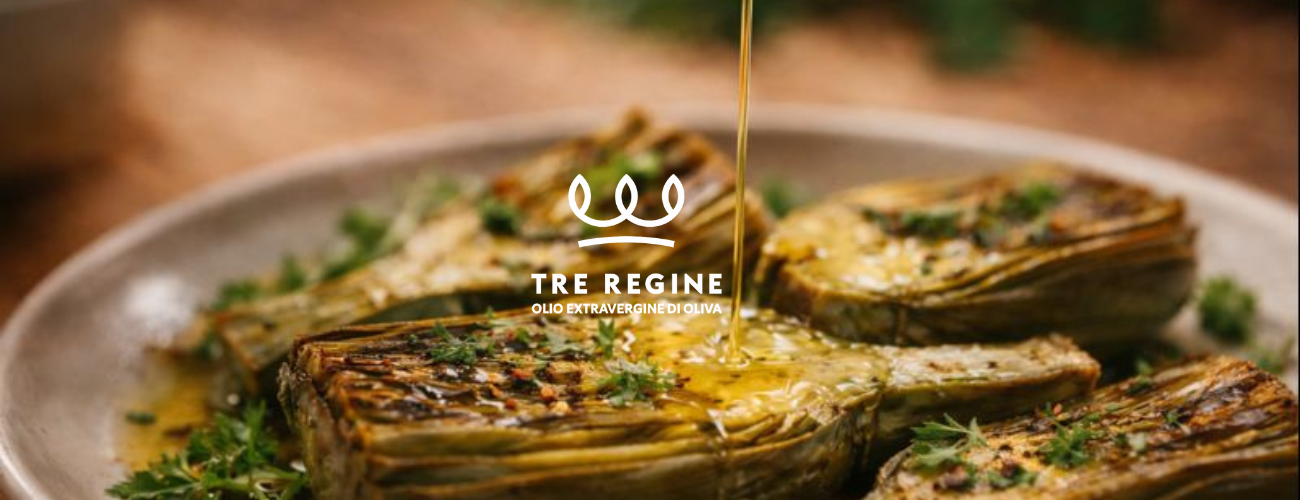
Artichokes, chicory, arugula and radicchio provide fiber and plant compounds that support digestion. Artichokes, widely used in Mediterranean cuisine, are traditionally linked to improved digestive function.
These vegetables are even better when paired with extra virgin olive oil, which helps absorb fat-soluble nutrients and enhances flavor.
Practical tip: eat them raw or lightly cooked and dress them with premium extra virgin olive oil.
2. Oily Fish and Healthy Fats
Mackerel, sardines, anchovies and salmon are excellent sources of healthy fats and high-quality protein.
A balanced intake of unsaturated fats helps maintain a healthier lipid profile, an important factor for liver health.
In Mediterranean healthy cooking, fish is often prepared simply and finished with a drizzle of olive oil, sometimes called “liquid gold” for its nutritional value.
Practical tip: choose simple cooking methods and add extra virgin olive oil (EVOO) after cooking.
3. Nuts and Seeds
Walnuts, almonds, hazelnuts and seeds provide fiber, micronutrients and monounsaturated fats.
Consumed in moderate quantities, they support overall metabolic balance and contribute to a healthy lifestyle.
The fiber they contain also promotes intestinal regularity, which indirectly benefits liver function.
Practical tip: enjoy a small handful per day, natural and unsalted.
4. Whole Grains and Fiber-Rich Foods
Oats, brown rice, quinoa and other whole grains help maintain stable blood sugar levels and prevent metabolic spikes that can put extra pressure on the liver.
These foods are also important for gut health, which plays a key role in overall metabolic balance.
Combined with vegetables and high-quality olive oil, they form the foundation of a balanced farm-to-table diet.
Practical tip: alternate refined and whole grains during the week.
A Balance Built Over Time
No single food works alone. Liver health depends on a consistent and balanced dietary pattern.
A healthy diet should include:
- variety of natural foods
- moderation
- high-quality ingredients such as premium extra virgin olive oil
These recommendations are intended for general wellness and prevention and do not replace medical advice.
In Conclusion
Supporting liver health does not require extreme diets or short-term trends. Instead, it comes from making thoughtful daily choices.
A simple diet inspired by Mediterranean traditions, rich in vegetables, whole grains, fish and extra virgin olive oil from regions like Puglia, can support liver function naturally over time.
High-quality Italian olive oil, produced from carefully cultivated olive groves, remains one of the most important ingredients of a balanced and sustainable way of eating.
Taking care of your liver also starts at the table.
There are no miracle foods, but certain dietary choices can support the liver’s metabolic and digestive functions when included in a natural diet and a healthy lifestyle. When it comes to liver health, the key factor is not “detox”, but the consistency of everyday habits and the quality of the foods we eat.
Many of the principles behind a healthy liver come from the Mediterranean diet, where ingredients such as vegetables, whole grains, fish, nuts and extra virgin olive oil (EVOO) play a central role.
Why Diet Matters for the Liver
The liver plays a fundamental role in metabolism. It processes fats, regulates blood sugar levels, filters waste products and contributes to the overall balance of the body.
A simple diet made with minimally processed ingredients and healthy fats, such as Italian olive oil, helps the liver perform these functions more efficiently over time.
Foods rich in antioxidants, polyphenols, and monounsaturated fats are particularly important in supporting long-term metabolic balance.
1. Bitter Vegetables: Artichokes, Chicory and Leafy Greens
Bitter vegetables have long been associated with digestive well-being and liver support.
Artichokes, chicory, arugula and radicchio provide fiber and plant compounds that support digestion. Artichokes, widely used in Mediterranean cuisine, are traditionally linked to improved digestive function.
These vegetables are even better when paired with extra virgin olive oil, which helps absorb fat-soluble nutrients and enhances flavor.
Practical tip: eat them raw or lightly cooked and dress them with premium extra virgin olive oil.
2. Oily Fish and Healthy Fats
Mackerel, sardines, anchovies and salmon are excellent sources of healthy fats and high-quality protein.
A balanced intake of unsaturated fats helps maintain a healthier lipid profile, an important factor for liver health.
In Mediterranean healthy cooking, fish is often prepared simply and finished with a drizzle of olive oil, sometimes called “liquid gold” for its nutritional value.
Practical tip: choose simple cooking methods and add extra virgin olive oil (EVOO) after cooking.
3. Nuts and Seeds
Walnuts, almonds, hazelnuts and seeds provide fiber, micronutrients and monounsaturated fats.
Consumed in moderate quantities, they support overall metabolic balance and contribute to a healthy lifestyle.
The fiber they contain also promotes intestinal regularity, which indirectly benefits liver function.
Practical tip: enjoy a small handful per day, natural and unsalted.
4. Whole Grains and Fiber-Rich Foods
Oats, brown rice, quinoa and other whole grains help maintain stable blood sugar levels and prevent metabolic spikes that can put extra pressure on the liver.
These foods are also important for gut health, which plays a key role in overall metabolic balance.
Combined with vegetables and high-quality olive oil, they form the foundation of a balanced farm-to-table diet.
Practical tip: alternate refined and whole grains during the week.
A Balance Built Over Time
No single food works alone. Liver health depends on a consistent and balanced dietary pattern.
A healthy diet should include:
- variety of natural foods
- moderation
- high-quality ingredients such as premium extra virgin olive oil
These recommendations are intended for general wellness and prevention and do not replace medical advice.
In Conclusion
Supporting liver health does not require extreme diets or short-term trends. Instead, it comes from making thoughtful daily choices.
A simple diet inspired by Mediterranean traditions, rich in vegetables, whole grains, fish and extra virgin olive oil from regions like Puglia, can support liver function naturally over time.
High-quality Italian olive oil, produced from carefully cultivated olive groves, remains one of the most important ingredients of a balanced and sustainable way of eating.