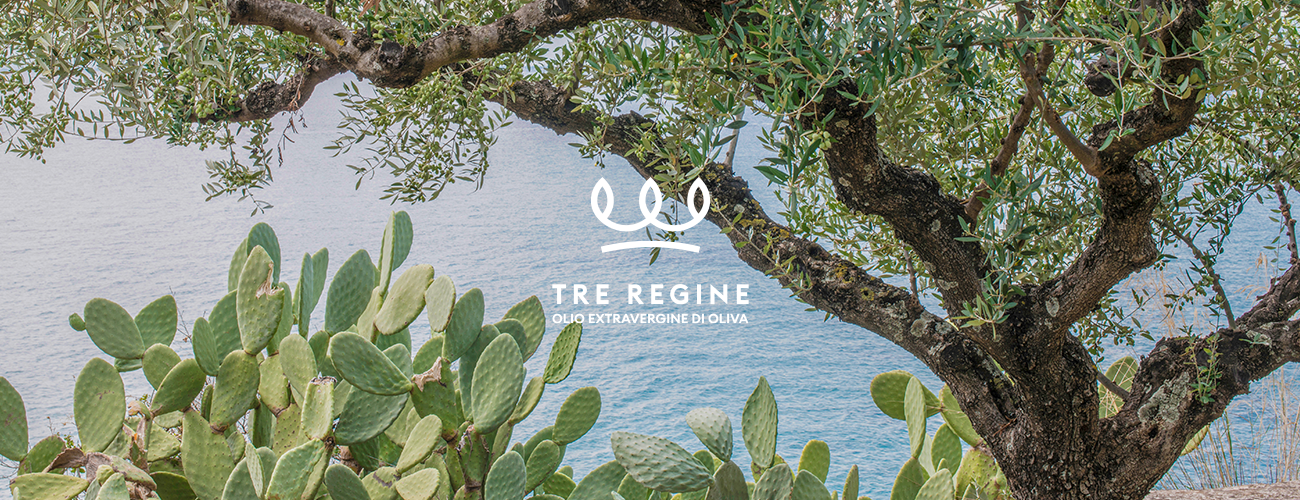
A Living Legacy Rooted in History
The ancient Puglian olive trees sink their roots into a history that dates back to Roman times. One striking example is Monte Testaccio in Rome, a hill made of millions of oil amphorae fragments, many of which came from the ports of Brindisi and Taranto. This offers tangible proof of how central Puglian olive oil was to trade in the Empire.
Even today, some of Puglia’s monumental olive trees—dated through dendrochronology and radiocarbon analysis—are more than 2,000 years old. These living giants were already producing olives when Rome was at the height of its glory.
Every twisted trunk and silvery canopy is a symbol of authenticity, tradition, and identity. To protect them means to safeguard a unique Mediterranean heritage that belongs to all.
Puglian Cultivars: A Story of Biodiversity
The richness of Puglia’s olive groves is expressed through unique cultivars that make extra virgin olive oil from this region famous worldwide:
- Coratina – the queen of Murgia and Bari. Intense, rich in polyphenols, with long shelf life. Ideal for lovers of intensely fruity EVOO.
- Ogliarola – typical of Salento and Brindisi. Smooth, balanced, with delicate notes that gently caress the palate.
- Leccino – more recent but now widespread. Less intense than Coratina, but valued for versatility and consistent production.
Together, these cultivars represent the biodiversity of Puglian olive oil and embody the strength, balance, and character of this extraordinary land.
Olive Trees and Popular Traditions
For centuries, Puglia’s olive trees have been more than just fruit-bearing plants—they are symbols of culture and spirituality. In rural communities, people believed that touching their roots brought protection and abundance.
Even today, traditions live on in the villages of Salento and the Valle D’Itria, where festivals are held under the shade of these majestic trees. Among the most cherished is the Festa dell’Olio Novello in Sannicandro di Bari, where freshly pressed extra virgin olive oil is shared as a symbol of gratitude and community.
Caring for the Olive Trees: A Collective Responsibility
The protection of Puglia’s centuries-old and millennia-old olive trees is not only the duty of producers but also a collective commitment. Walking through ancient olive groves, celebrating the harvest, or symbolically adopting a tree are meaningful ways to keep alive the connection between people and land.
To care for a monumental olive tree means ensuring the continuity of a story that has lasted thousands of years, while honoring one of Italy’s greatest agricultural and cultural treasures.